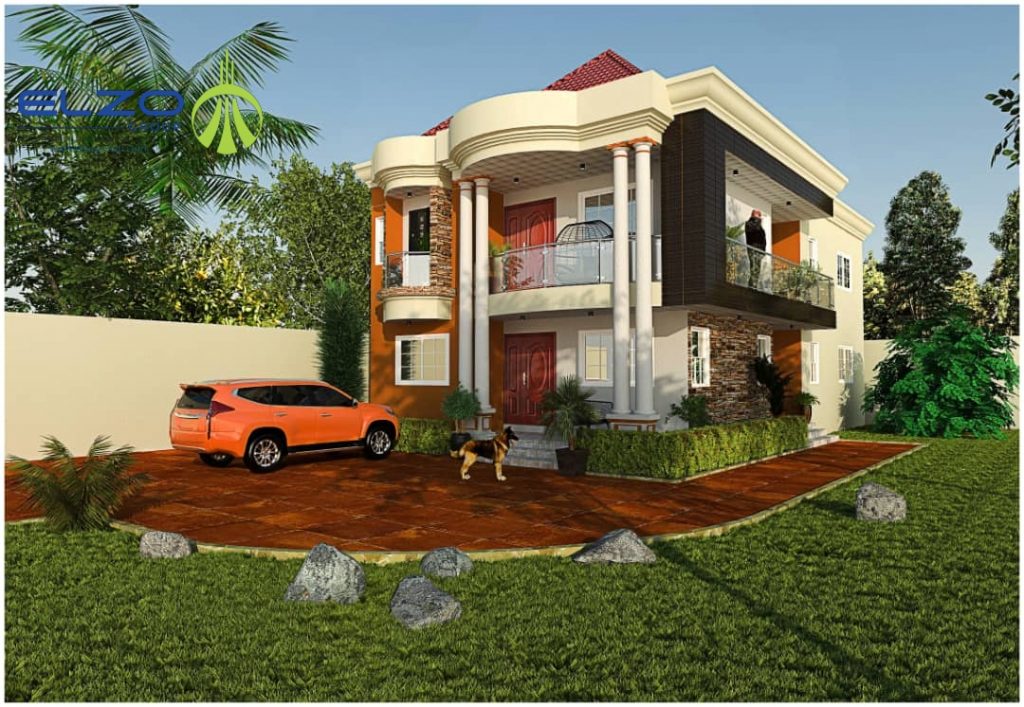
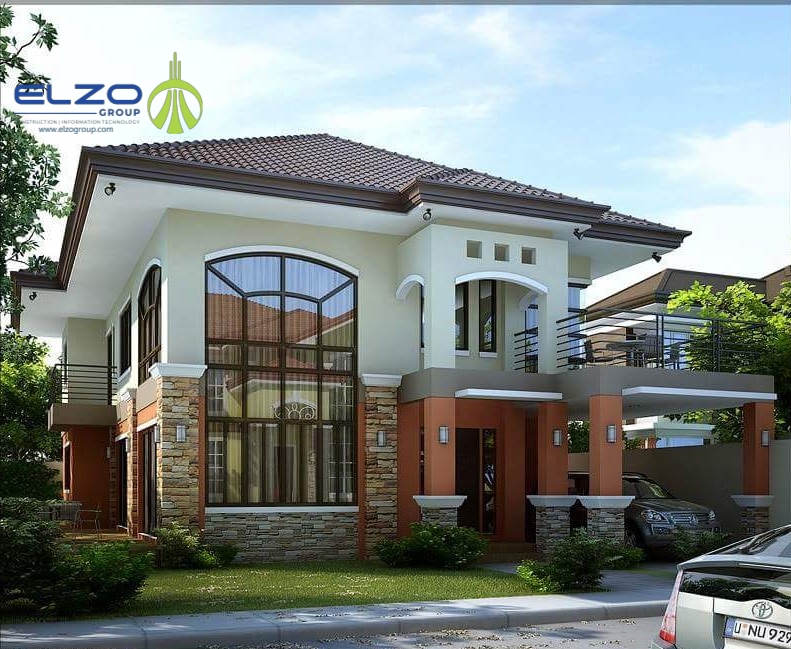
2 Units of 3 Bedroom Apartment. #ELB1012
FEATURES
- All Rooms En-suit
- Kitchen Cabinet
- Dining Area
- Fitted Wardrobes
- Exclusive Balconies
- Land Size required: 400 sqm


In today’s construction landscape, sustainability is no longer a “nice to have.” It is a priority. Around the world, clients, investors, and regulators are demanding buildings that are smarter, healthier, and more environmentally responsible. One of the most trusted ways to demonstrate this commitment is through LEED Certification, which stands for Leadership in Energy and Environmental Design.
At Elzo, we believe in building with intention. We believe in structures that serve people, protect the environment, and remain strong for decades. If you are considering LEED Certification for your next project, here is why it is worth it.
One of the biggest advantages of LEED Certification is simple: you save money over the long term.
LEED buildings are designed to use less electricity, less water, and more efficient systems such as HVAC, lighting, and insulation. This leads to significantly lower operating costs. For businesses in Ghana and across Africa, where utility bills can be unpredictable, energy efficient design is a major financial advantage.
People want to work, shop, and live in environments that feel good. LEED places strong emphasis on indoor environmental quality, which means cleaner air, reduced use of toxic materials, better lighting, and proper ventilation. Healthier spaces improve productivity and reduce sick days, an important factor for commercial offices, hospitals, schools, and hospitality projects.
Developers who choose sustainable construction often see higher property valuations. Buyers and tenants are willing to pay more for energy efficient buildings, sustainable materials, lower utility bills, and modern, future proof designs. In a competitive market, LEED Certification becomes a strong selling point that sets your property apart.
More companies globally, especially those with strong ESG goals, prioritize working with partners who build responsibly. A LEED certified building signals reduced carbon footprint, responsible waste management, water and energy conservation, and a strong commitment to sustainable construction. This can directly improve your company’s reputation and strengthen your corporate sustainability profile.
Clients today are asking more questions about sustainability, especially in real estate, corporate development, hospitality, and manufacturing. Having LEED aligned practices gives construction firms a clear advantage when bidding for projects. For Elzo, integrating energy efficient design and sustainable building practices ensures that our clients stay ahead of global construction trends.
Several countries offer incentives such as tax reductions, preferential financing, grants for green development, and faster permitting processes. While Ghana is still growing in this area, global investors often prefer projects with recognized sustainability standards, making LEED Certification a strong asset for international funding.
LEED Certification is about being environmentally conscious. It also ensures high quality construction materials, durable building systems, lower maintenance costs, and reduced environmental stress. Buildings last longer, perform better, and cost less to maintain, making them a smart long term investment.
Sustainable construction is shaping the future both locally and globally. As Ghana’s built environment continues to evolve, clients are increasingly seeking developers who understand the balance between innovation, efficiency, and sustainability.
At Elzo, we believe that every project should contribute positively to people and the planet. Whether through energy efficient design, responsible material sourcing, or smart building systems, LEED Certification offers a powerful framework for building the future differently and building it well.
Lorem ipsum dolort amet, consectetur adipimag A natoque penatibus.


Project updates, expert tips, and exclusive offers

